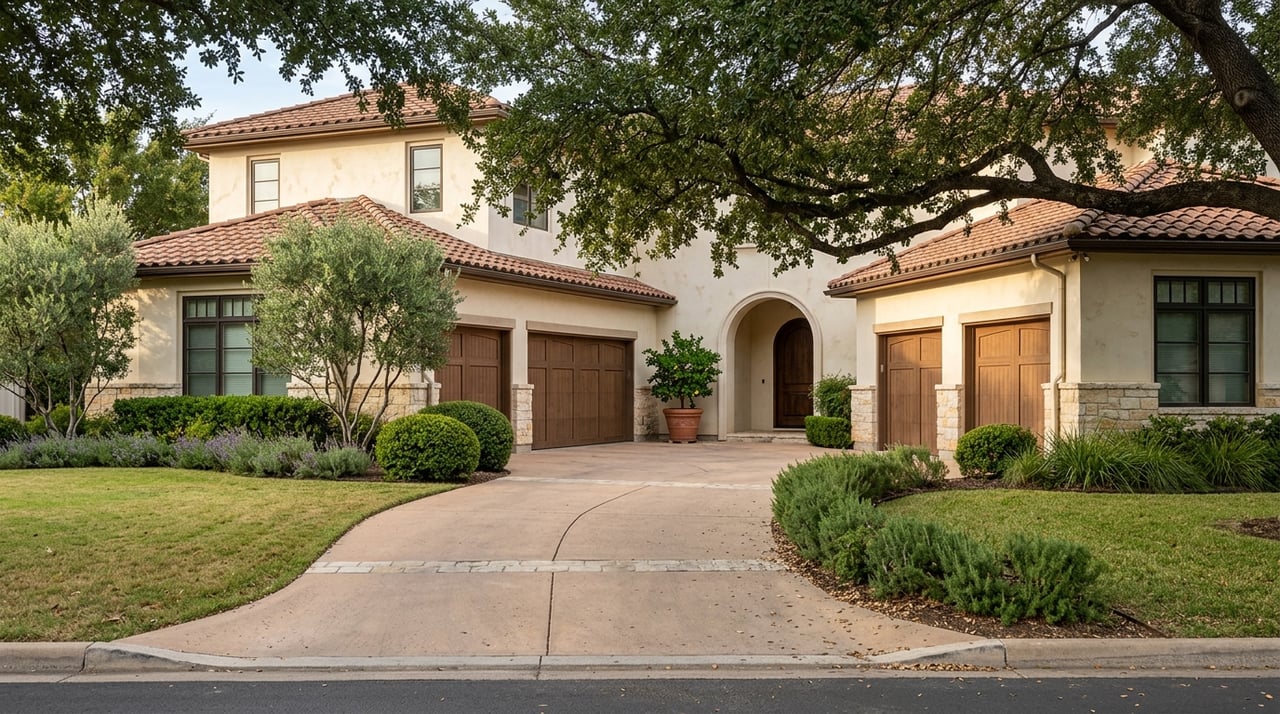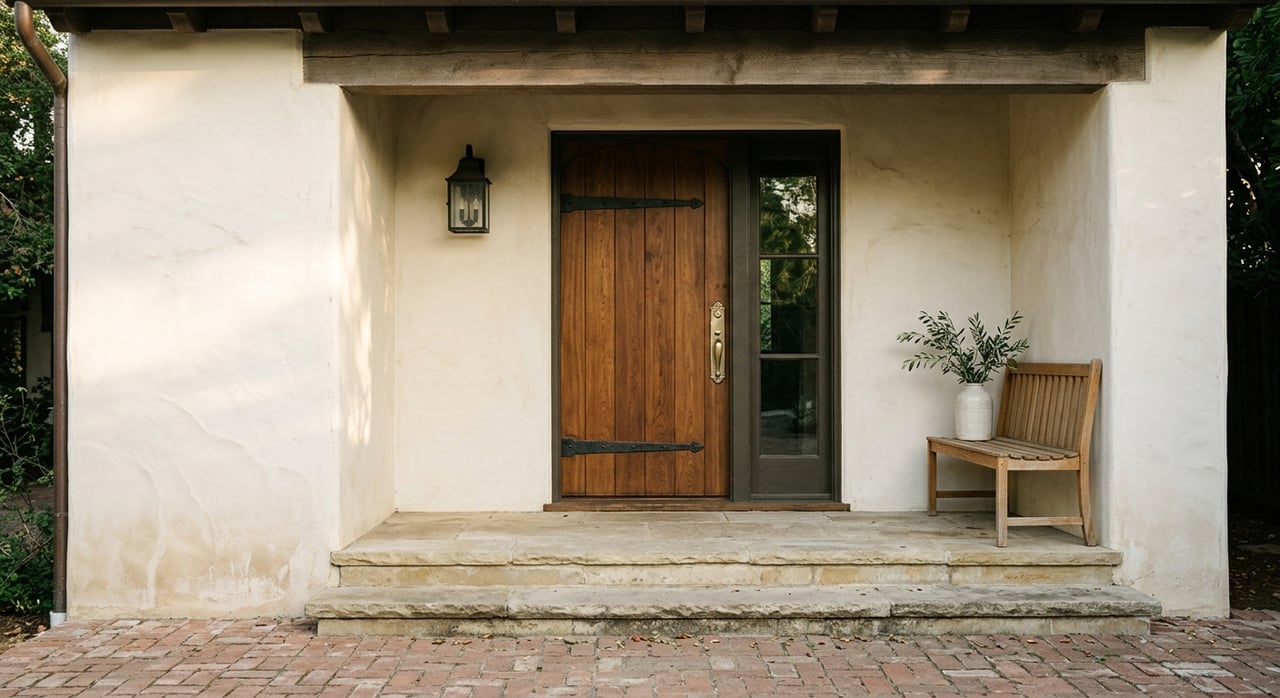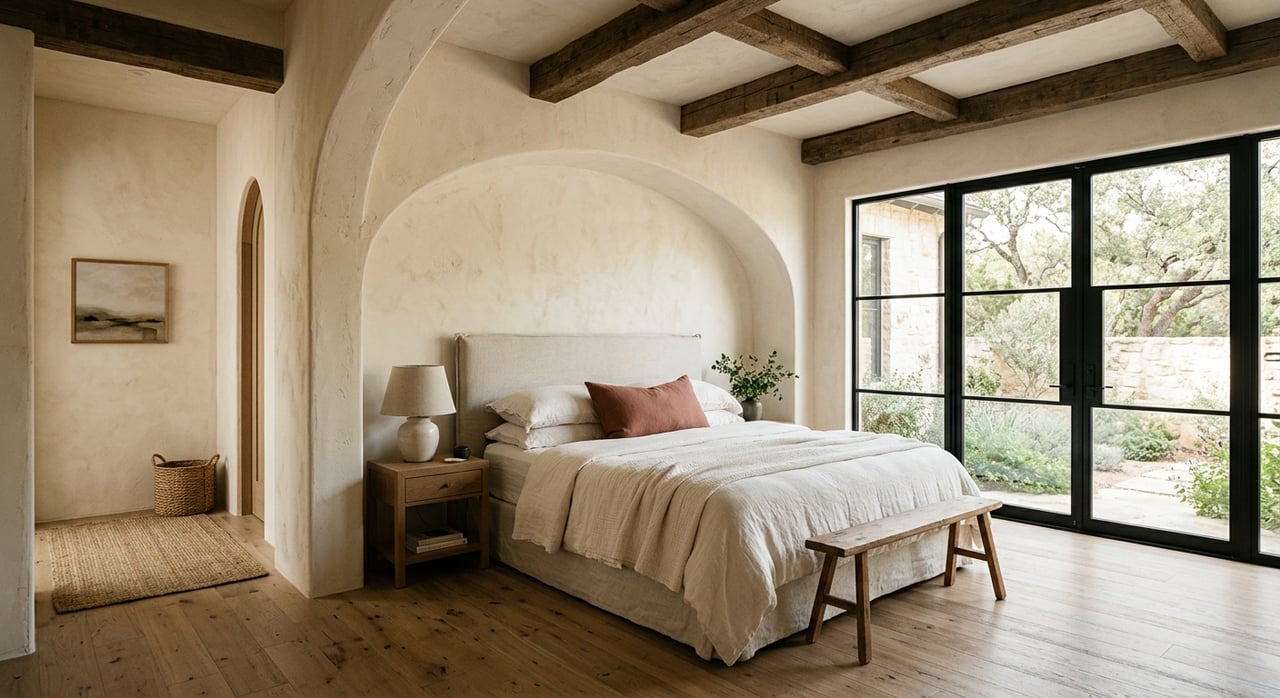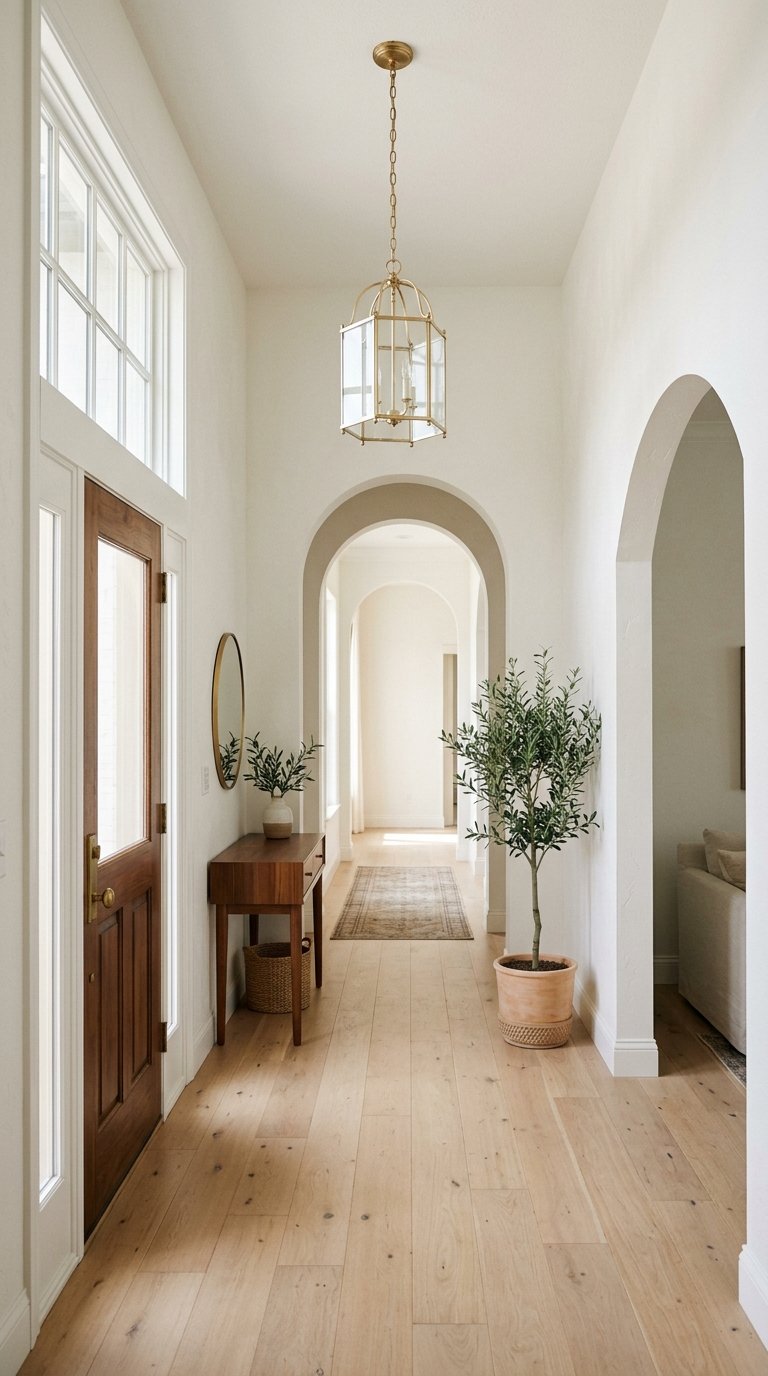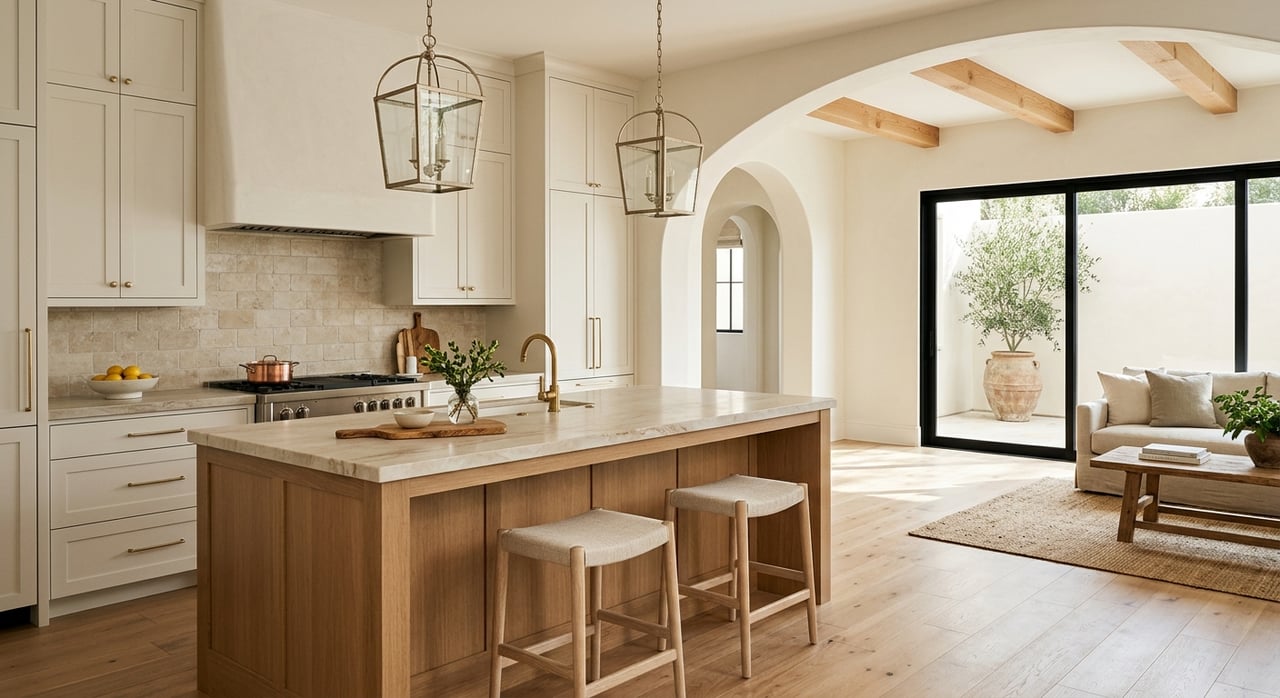
Fresno’s architectural identity is easy to underestimate. The city is usually discussed through growth, agriculture and new construction, yet some of its most valuable real-estate stories were written long before the suburbs pushed north.
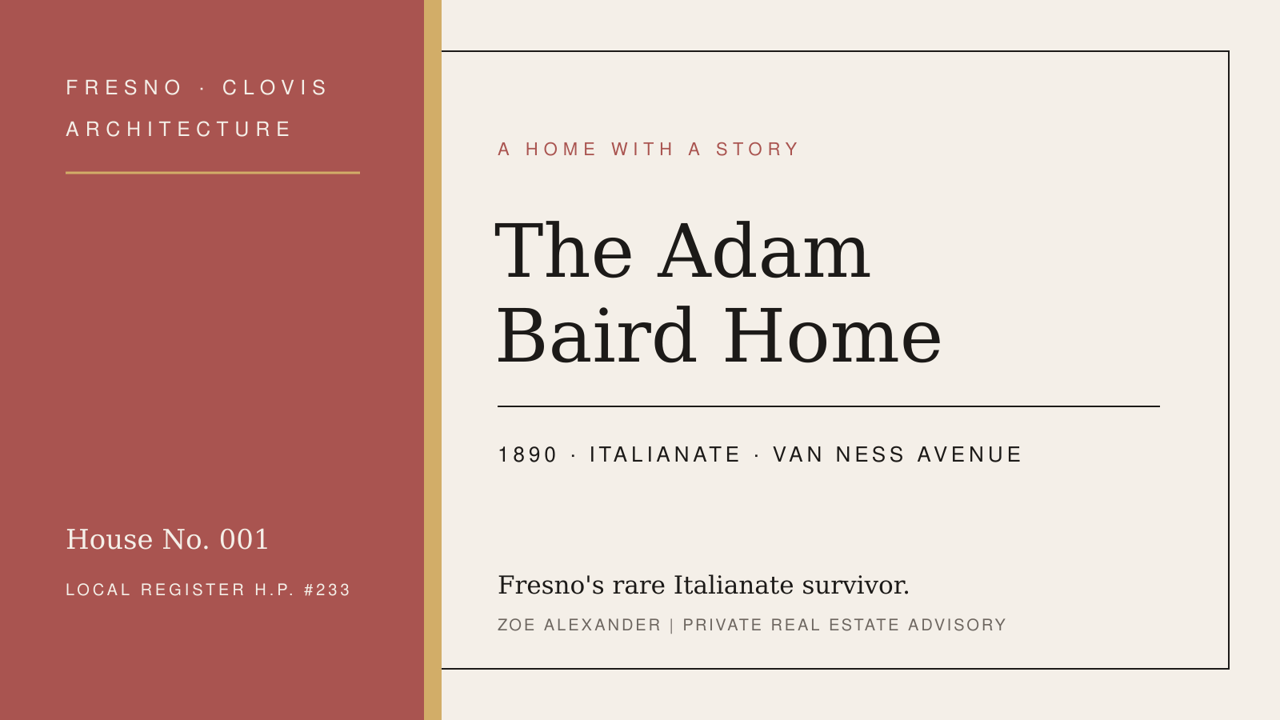
The Adam Baird Home is one of those stories. Built in 1890 at 136 N. Van Ness Avenue, it survives as a rare local example of Italianate residential architecture—and as a reminder that “old” and “architecturally important” are not interchangeable.
The essential facts
- Built: 1890
- Address: 136 N. Van Ness Avenue, Fresno
- Builder: Adam Baird
- Architectural style: Italianate
- Designation: Fresno Local Historic Resource H.P. #233
Why the Adam Baird Home matters
Italianate houses were once familiar across California, but they became increasingly vulnerable as cities expanded and commercial districts replaced early residential streets. HistoricFresno describes the Baird Home as an excellent surviving example and notes that very few Fresno residences of this caliber remain.
That scarcity is the point. A historic home is not significant simply because it has survived for more than a century. It matters when it still communicates a recognizable architectural type, a period of development, or a story that cannot be reconstructed once it is lost.
Reading the architecture
The Baird Home has the disciplined, upright form associated with the Italianate mode: a compact two-story mass, a low-pitched hipped roof, tall narrow windows and a pronounced roofline. The paired upper-story windows reinforce the home’s vertical emphasis, while the bracketed eaves create shadow and rhythm beneath the roof. A full-width porch softens the formal facade and gives the house the domestic scale its boxy silhouette might otherwise resist.
Italianate architecture took inspiration from the villas of Italy, but American builders translated the idea into practical wood-frame houses suited to growing nineteenth-century towns. The result was less a copy of an Italian villa than a vocabulary: height, symmetry, narrow openings, overhanging eaves and decorative brackets. On the Baird Home, that vocabulary remains unusually legible.
The real-estate lesson
Distinctive older homes should not be valued or marketed as interchangeable square footage. Condition still matters. Lot, location and functional utility still matter. But architectural integrity, documented history, original materials and the quality of prior alterations can materially affect both buyer interest and the strategy required to sell.
A generic marketing plan tends to flatten those distinctions. For a house with a real story, the agent’s job is to identify what is authentic, document it carefully, avoid unsupported folklore and translate architectural significance into a buyer-facing narrative that is accurate rather than theatrical.
What local historic designation can mean for an owner
Fresno’s Historic Preservation Ordinance is designed to protect character-defining features while allowing historic properties to remain useful. The City explains that substantial exterior alterations are subject to historic review; some non-substantial work may be approved administratively. Interior modernization is generally possible unless an interior is publicly accessible and specifically included in the historic documentation.
Designation may also create practical benefits. Depending on the property and the work proposed, those can include access to the California Historical Building Code, technical guidance, possible development-standard relief and eligibility to apply for preservation incentives. Qualified properties may also be eligible for the Mills Act program, which exchanges an owner’s commitment to restoration and maintenance for a potential property-tax reduction.
None of that means an owner should assume a project will be approved—or that every historic property receives every incentive. Exact status, eligibility and current requirements should be verified with the City of Fresno before design, construction or purchase decisions are made.
Why this series exists
Fresno and Clovis contain more architectural range than the market usually acknowledges: early civic-era residences, bungalows, Period Revival homes, Mid-Century Modern work, ranch houses, custom estates and buildings tied to the region’s agricultural and entrepreneurial history.
This series documents those properties one by one. The purpose is not nostalgia. It is better real-estate intelligence: understanding why a property is different, what should be protected, what can be adapted and how a home’s story affects stewardship, positioning and value.
Do you own a home with a story?
If you are considering the sale of a distinctive, older or architecturally significant property in Fresno or Clovis, the first step is not a generic valuation. It is identifying what the market must understand before the home is priced, presented and launched.
Start a private conversation with Zoe Alexander.
Sources: HistoricFresno.org: Adam Baird Home, H.P. #233; City of Fresno Historic Preservation.
Editorial note: This architecture profile is for educational purposes and is not a representation that the property is currently offered for sale. Ownership, condition, designation status and regulatory requirements may change and should be independently verified.